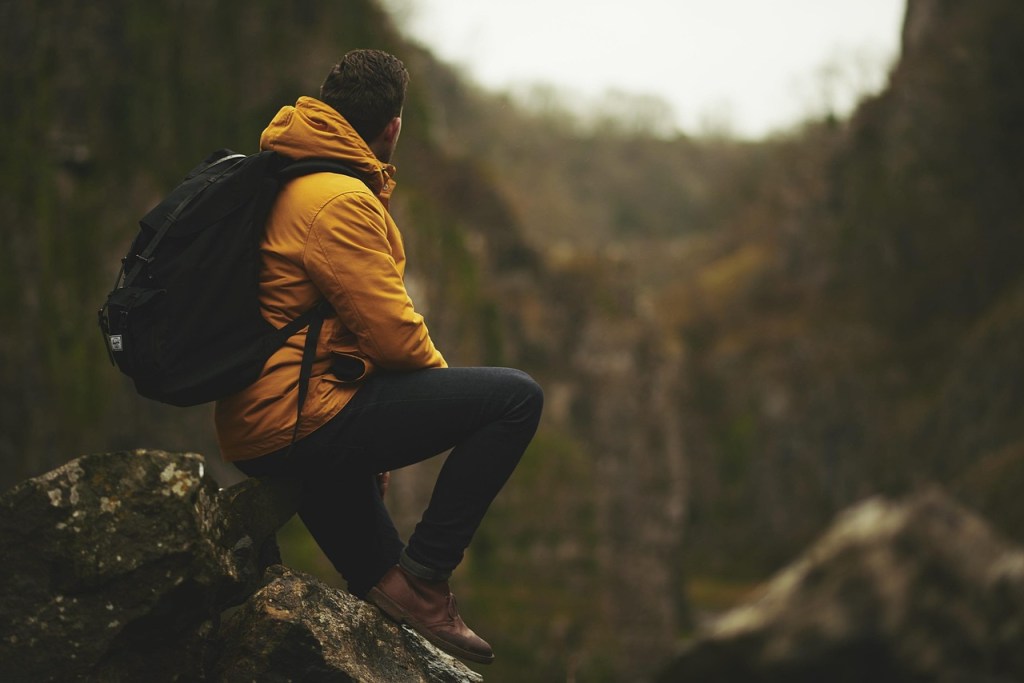
There’s something revitalising about setting off on a trek or long walk—whether I’m on holiday or enjoying time with family. For me, it’s more than just a walk; it’s a journey into nature’s embrace, offering the chance to marvel at wildlife, breathe in the scent of plants, and soak in sweeping vistas. I would go as far as to say it is mindfulness in motion—a chance to clear my mind, and reconnect with the present. This is important so that I return to my clinical duties feeling energised, focused, and ready to care for others.
One of my favourite experiences was trekking across Italy’s Cinque Terre with my wife. The charm of the old fishing towns, the rugged coastal trails, and the fresh sea breeze made every step a meditation. It’s moments like these that remind me trekking isn’t just an activity—it’s a practice of presence.
Why Trekking Is So Health-Giving
- Boosts overall health: Even a brisk 10-minute walk contributes to the 150 minutes of moderate-intensity activity recommended per week for adults, and helps build stamina, burn calories, and support heart health
- Reduces risk of major illnesses: Regular physical activity—including walking—can lower your risk of conditions such as heart disease, stroke, type 2 diabetes, certain cancers, and premature death by up to 30%
- Improves mood and cognitive performance: Brisk walking improves mood, energy levels, sleep, concentration, and even self-esteem
- Eases mental strain: The mental clarity trekking brings—through fresh air, rhythm, and nature—can ease stress and anxiety, similar to mindfulness or therapeutic techniques.
- Accessible and free: Walking doesn’t require tools or fancy equipment; it’s inclusive and simple for nearly everyone to start. With some other activities such as cycling, often there are large startup costs when it comes to buying the equipment.
- Helps with sleep: Regular exercise can help with good sleep.
Making It Mindful—and Safe
Trekking isn’t just about hitting the trail—it’s about preparing and being present:
- Plan ahead: Check the weather and ensure your route is safe.
- Wear the right gear: Proper shoes make all the difference. Sturdy and supportive shoes help prevent injuries.
- Stay hydrated: Especially important on longer or warmer hikes. See my blog post on drinking plenty of fluids.
- Use helpful tools: I often rely on apps such as AllTrails.com (free) for planning my routes, checking trail difficulty, and ensuring safety.
- Meet step goals effortlessly: Regular hikes help you hit your daily step recommendations—this can play an important role getting enough exercise. My blog post on daily step requirements is coming soon! Don’t forget to subscribe.
In Summary
Trekking is a delight: it’s invigorating exercise, nature immersion, stress relief, and mental clarity all rolled into one. I love how it recharges me—whether meandering through Cornwall or trekking Italy’s Cinque Terre. Just a few mindful steps can make you healthier, happier, and more present—both in life and at work.
Why not plan something for this weekend yourself? I am planning to go on a hike on the outskirts of Reading, UK with my nephews tomorrow.
References:
https://www.nhs.uk/live-well/exercise/walking-for-health/
https://www.nhs.uk/live-well/exercise/physical-activity-guidelines-for-adults-aged-19-to-64/
Daily steps and health outcomes in adults: a systematic review and dose-response meta-analysisDing, Ding et al.The Lancet Public Health, Volume 10, Issue 8, e668 – e681





 Diary of a Medic
Leave a comment