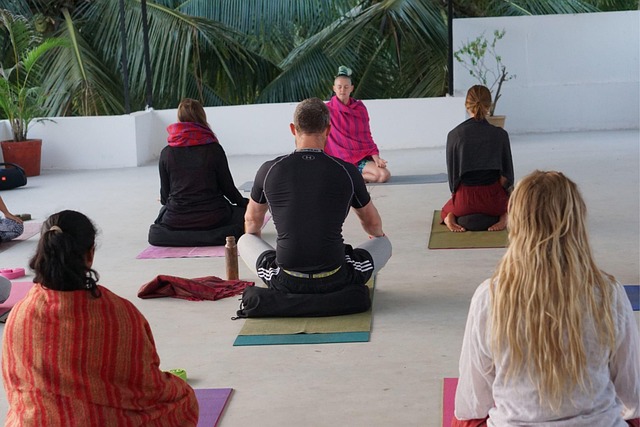
Introduction: Why Doctors Recommend Yoga
As doctors in the UK, we are constantly encouraging patients to exercise regularly to improve both physical and mental health. Health is a combination of both a good mind and body. While jogging, swimming, and gym workouts all have their place, yoga exercise has unique advantages that are now supported by a growing body of scientific evidence.
Yoga is more than just stretching or chanting namaste at the end of a yoga class. It is an evidence-backed way of improving strength, balance, flexibility, and mental wellbeing. From ancient hatha yoga to modern adaptations like core power yoga (AKA corepoweryoga), hot yoga, or chair yoga, there is a form suitable for nearly everyone.
I was raised in a household that observed Indian traditions, including the practice of yoga. From an early age, I attended yoga sessions with my mother and witnessed how these gatherings fostered both physical activity and community connection. Now, in my role caring for patients from similar cultural backgrounds, I am interested in examining the evidence base surrounding yoga and its potential relevance in healthcare.
In this blog, we’ll look at the health benefits of yoga as confirmed by research. Some of the sources we will be using include the National Center for Complementary and Integrative Health (NCCIH), the International Journal of Yoga, the British Heart Foundation (BHF), and the NHS Torbay Pain Service.
What is Yoga?
The word “yoga” comes from Sanskrit, meaning “union” – of mind, body, and spirit. But in the West, it is often practiced primarily as a form of exercise. Yoga has roots dating back to 5000 years ago.
Key components include:
- Postures (asanas): Controlled poses held for a certain amount of time that build flexibility, strength, and balance.
- Breathing techniques (pranayama): To increase oxygen intake, reduce stress, and improve relaxation.
- Meditation and mindfulness: To calm the nervous system and promote mental clarity. Mindfulness has also been researched as a separate tool to help deal with stress – I will write about this in future posts.
There are countless variations, some of them include:
- Hatha yoga – gentle, foundational, often used for beginners.
- Hot yoga – performed in a heated room; if you’re wondering “what is hot yoga?” it simply means yoga at higher temperatures (35–40°C), which promotes sweating and flexibility.
- Core power yoga – a vigorous, strength-focused style popular in many yoga studios.
- Kundalini yoga – blends movement, breath, and mantra for spiritual growth.
- Chair yoga – modified for those with mobility issues.
- Yoga nidra (or joga nidra): A guided deep relaxation practice, sometimes called “yogic sleep.”
- Somatic yoga – a mindful approach focusing on body awareness. If you’ve ever asked, “what is somatic yoga?”, it’s about relearning natural movement and releasing tension.
- Aerial yoga – a new non-traditional form of yoga involving being suspended from the ceiling with ties.
This diversity means yoga is suitable for almost everyone, no matter their age or fitness level. I was interested to learn that there are yoga instructors that have been trained to provide arthritis specific yoga in the UK.
The Science Behind Yoga: What the Research Says
1. Yoga and Heart Health
The British Heart Foundation notes that yoga in some cases can reduce blood pressure, and ease stress — all of which support heart health. While yoga is not classified as aerobic exercise (so it doesn’t replace your 150 minutes of moderate activity per week), it is an excellent additional activity.
Marie Toms, a cardiac physiotherapist and yoga teacher at Papworth Hospital, highlights that yoga is safe for most heart patients. Its benefits may come from combining:
- Physical postures → strengthen muscles and improve circulation.
- Breathing → increases oxygen delivery and lowers blood pressure.
- Relaxation → calms the “fight-or-flight” response.
Often, when I ask what physical activities my patients are involved in, many of them proudly inform me that they practice yoga on a regular basis. Whilst I agree that yoga is good for you, I also encourage that they are involved in other forms of activity such as brisk walking, running, or cycling.
2. Yoga for Stress, Anxiety, and Mental Health
According to the NCCIH, yoga is one of the most effective non-drug therapies for stress reduction. Research shows it lowers cortisol (the stress hormone), eases anxiety, and helps improve sleep quality.
Practices like yoga nidra are particularly powerful for relaxation. This guided meditation brings the body into deep rest, sometimes more restorative than napping. For those suffering from insomnia, anxiety, or burnout, it is an accessible tool.
The Torbay & South Devon NHS adds that yoga teaches awareness of breath and body, helping people “tune in” and notice where they hold tension. This promotes not only physical relaxation but also emotional resilience.
3. Yoga and Flexibility, Strength, and Balance
One of the most obvious benefits of yoga is improved flexibility. Regular practice gradually lengthens muscles, reduces stiffness, and supports healthy posture.
But yoga is not just stretching – many postures require muscular strength, stability, and coordination. Studies reviewed in the International Journal of Yoga show that yoga helps build lean muscle, especially in the core and lower body.
This is particularly important for older adults, as yoga can help reduce fall risk by improving balance and awareness of body position (proprioception).
Recently, while assessing an elderly patient’s back, I evaluated her range of movement and was struck by her flexibility and strength. She attributed this to her routine practice of yoga.
4. Yoga and Chronic Pain
The NHS Torbay Pain Service recommends yoga for conditions like chronic back pain, arthritis, and fibromyalgia. Gentle strengthening, improved posture, and mindful breathing can reduce muscle tension and make pain more manageable.
The NCCIH also notes yoga may help reduce symptoms of chronic low back pain, one of the most common health problems worldwide.
I often advise patients in this situation to keep active and moving their backs, one way they can do this is through yoga.
5. Yoga for Overall Wellbeing
Beyond the physical, yoga creates a sense of calm and connection. Many yogis describe it as more than exercise – it’s a lifestyle that promotes self-awareness and balance.
The BHF highlights that yoga can help people feel better about themselves, motivating them to make other positive changes such as quitting smoking, eating healthily, or becoming more active.
The Torbay NHS also reminds us that yoga is not a competition. Each practice is personal, about listening to your body and finding what feels right.
Is Yoga Safe?
Most people can safely practice yoga, but it’s always best to start under the guidance of a qualified teacher. The NCCIH and BHF advise:
- Talk to your GP (family practitioner) if you have heart disease, high blood pressure, or other chronic conditions.
- Don’t push into pain – yoga should never be forced.
- Pregnant women and people with glaucoma, balance problems, or advanced osteoporosis should seek medical advice before certain postures.
Interestingly, I have not encountered patients asking me whether yoga is safe for them to practice. It appears to be widely perceived as a safe and adaptable form of exercise, which individuals can modify to suit their needs—for example, patients with balance difficulties may engage in chair-based yoga.
How to Start Practicing Yoga
- Join a local yoga studio or community class. A good teacher will adapt postures to your needs.
- Try chair yoga if mobility is limited – it’s surprisingly effective and accessible.
- Explore online classes if attending in person is difficult.
- Be patient – flexibility and calm come with time, not overnight.
- End with gratitude – many classes close with namaste, a reminder of connection and respect.
Whilst my mother attends community yoga classes, my wife chooses to follow online lessons so she can practice yoga in her own time. Both have their benefits, and if you require more instruction or want a community feel, I recommend attending classes in person.
Conclusion: Why Yoga Belongs in Modern Medicine
Yoga may be ancient, but its benefits are timeless. From improving heart health and reducing stress to easing chronic pain and enhancing flexibility, it is one of the most versatile and accessible forms of exercise available.
It doesn’t matter whether you’re drawn to the sweat of hot yoga, the strength of core power yoga, the stillness of yoga nidra, or the inclusivity of chair yoga – there is a practice for everyone.
As a doctor, I see firsthand how much of a difference yoga can make in patients’ lives. The evidence shows it has power to improve both health and happiness.
Call to Action
At Diary of a Medic, we believe movement is medicine for the mind and body. Why not roll out a mat, join a yoga class, or even try a simple chair yoga session at home today?
👉 Share your experience with yoga in the comments below. Which style of yoga do you prefer? Let’s inspire more people to say namaste to better health.
References
- Woodyard C. Exploring the therapeutic effects of yoga and its ability to increase quality of life. International Journal of Yoga. 2011;4(2):49–54. PMC3193654
- National Center for Complementary and Integrative Health (NCCIH). Yoga: What You Need to Know. Updated 2023. Link
- British Heart Foundation (BHF). Yoga and How It Can Benefit You. 2014. Link
- Torbay and South Devon NHS Foundation Trust. Yoga. Reconnect2Life – Improving Health and Fitness. Link
- Seithikurippu R Pandi-Perumal et al. The Origin and Clinical Relevance of Yoga Nidra. Sleep Vigil. 2022 Apr 23;6(1):61–84. PMID: 35496325
- Isha Biswas et al. Knowledge, experiences, and perceptions of yoga providers in arthritis treatment: a UK-based qualitative study. Rheumatol Int. 2025 Apr 4;45(4):88. PMID: 40183922
- Greysen HM et al. A Qualitative Study Exploring Community Yoga Practice in Adults with Rheumatoid Arthritis. J Altern Complement Med. 2017 Jun;23(6):487-493. PMID: 28075155







 Diary of a Medic
Leave a comment